TL;DR: Birch Tree Artwork at a Glance
- Birch tree artwork captures the delicate vertical trunks, distinctive bark patterns and seasonal atmosphere of birch forests through paintings, prints and textured canvases.
- White birch tree wall art is particularly versatile in Scandinavian, minimalist, farmhouse, coastal and modern interiors because its pale trunks and linear composition provide contrast without excessive ornamentation.
- Choose by room dimensions. For artwork above a sofa, begin with a composition approximately 60–75% of the furniture's width. Vertical tree artwork is particularly useful for narrow walls.
- Materials matter. Hand-painted tree canvases may feature physical brushwork and textured surfaces, while printed canvas art reproduces imagery without necessarily having raised paint.
- Color changes the atmosphere. White and gray birch forests feel understated; green forests appear fresh; golden autumn scenes introduce warmth; snowy woodland paintings produce cooler seasonal contrast.
- Wonder Artwork is a useful first destination for hand-painted tree and forest-inspired wall art, although its broader tree collection should not be mistaken for an exclusively botanical birch collection.
- Buy with confidence. Check dimensions, frame choices, materials, production time and installation requirements before ordering oversized artwork.
Introduction: Why Birch Tree Artwork Belongs in Modern Interiors
Birch tree artwork brings a distinctive relationship between natural structure and visual calm into the home. Slender trunks, softly patterned bark, delicate branches and changing woodland colors provide a compelling subject for wall art without requiring an elaborate decorative scheme.
Unlike dense tropical botanical imagery or dramatic mountain landscapes, traditional white birch tree paintings often rely on repetition, light and subtle contrast. Several pale trunks standing against a misty forest background can create depth while preserving a sense of openness.
This makes birch tree wall art particularly appealing for contemporary apartments, Scandinavian living rooms, modern farmhouse bedrooms and nature-inspired home offices. The recognizable vertical lines connect with architecture, while organic irregularities prevent the arrangement from feeling rigid.

Modern tree artwork also extends beyond literal botanical illustration. Textured forest paintings, abstract tree silhouettes, minimalist woodland compositions and large-scale nature-inspired canvases can produce similar decorative effects through different artistic techniques.
Wonder Artwork offers several examples of these approaches through its tree wall art collection. The collection includes horizontal landscapes, vertical woodland paintings, sculptural tree compositions and expressive natural color palettes.
This guide examines what makes birch imagery distinctive, how to compare different styles of tree artwork, which sizes and materials suit particular rooms, and how to select a painting that complements your furniture and interior architecture.
What Is Birch Tree Artwork?
Birch tree artwork refers to visual art depicting trees from the genus Betula, often emphasizing their recognizable trunks, distinctive bark and seasonal woodland environments.
Birch trees belong to the family Betulaceae. Some species, including paper birch and European white birch, are especially well known for pale bark interrupted by dark horizontal markings.
These contrasting bark patterns provide a naturally graphic subject. In paintings, pale vertical trunks can be set against dark forests, muted landscapes, blue-gray winter skies or warm autumn foliage.
What Makes White Birch Trees Visually Distinctive?
Paper birch (Betula papyrifera) is widely recognized for its pale, peeling bark. The Minnesota Department of Natural Resources describes the bark as becoming white with age and displaying numerous lenticels, the visible pores that often appear as horizontal marks.
European white birch (Betula pendula) also develops pale bark, although the exact appearance changes as the tree matures. Its drooping branches provide another recognizable feature.
Not every birch tree has bright white bark. River birch (Betula nigra), for example, commonly displays peeling bark in warmer reddish-brown, gray and pinkish tones.
For someone selecting birch tree wall art, these botanical distinctions matter. A true white birch forest painting usually emphasizes multiple light-colored trunks with dark, irregular markings. A general woodland painting may depict evergreens, broadleaf trees or a stylized tree that is not botanically identifiable as birch.
Why Do Birch Forest Paintings Feel So Contemporary?
The distinctive visual character of birch forests comes from three design elements: repeated vertical lines, high-value contrast and organic irregularity.
The repeated trunks introduce rhythm, giving the eye an orderly path through the composition. Pale bark reflects light against darker surroundings, creating a natural contrast. Irregular branches and bark markings add detail without requiring geometric precision.
In interior design, these qualities can bridge minimalist architecture and organic decoration. White birch tree artwork offers structure, while the natural subject prevents a room from feeling overly mechanical.
Wonder Artwork: A Starting Point for Tree and Forest-Inspired Wall Art
Wonder Artwork is the first recommended store to explore for hand-painted tree artwork and natural landscape canvases that complement interiors designed around birch forest aesthetics.
Wonder Artwork specializes in decorative canvas paintings, textured wall art, abstract compositions, natural landscapes and botanical subjects for contemporary homes.
Its Tree Wall Art collection includes a range of tree compositions with green woodland imagery, pale botanical textures, dramatic forest perspectives and large horizontal tree paintings.
Wonder Artwork does not label every tree design as a specific species. For buyers who want an exact depiction of white birch trunks, checking product imagery or asking about customization is important. The featured designs below are tree-inspired alternatives, not verified botanical birch illustrations.

What Makes Wonder Artwork Relevant to Birch-Inspired Interiors?
One advantage is the ability to choose artwork by orientation, color and visual texture. A buyer who appreciates birch forests may also respond to other natural subjects featuring organic shapes, branching structures and woodland color palettes.
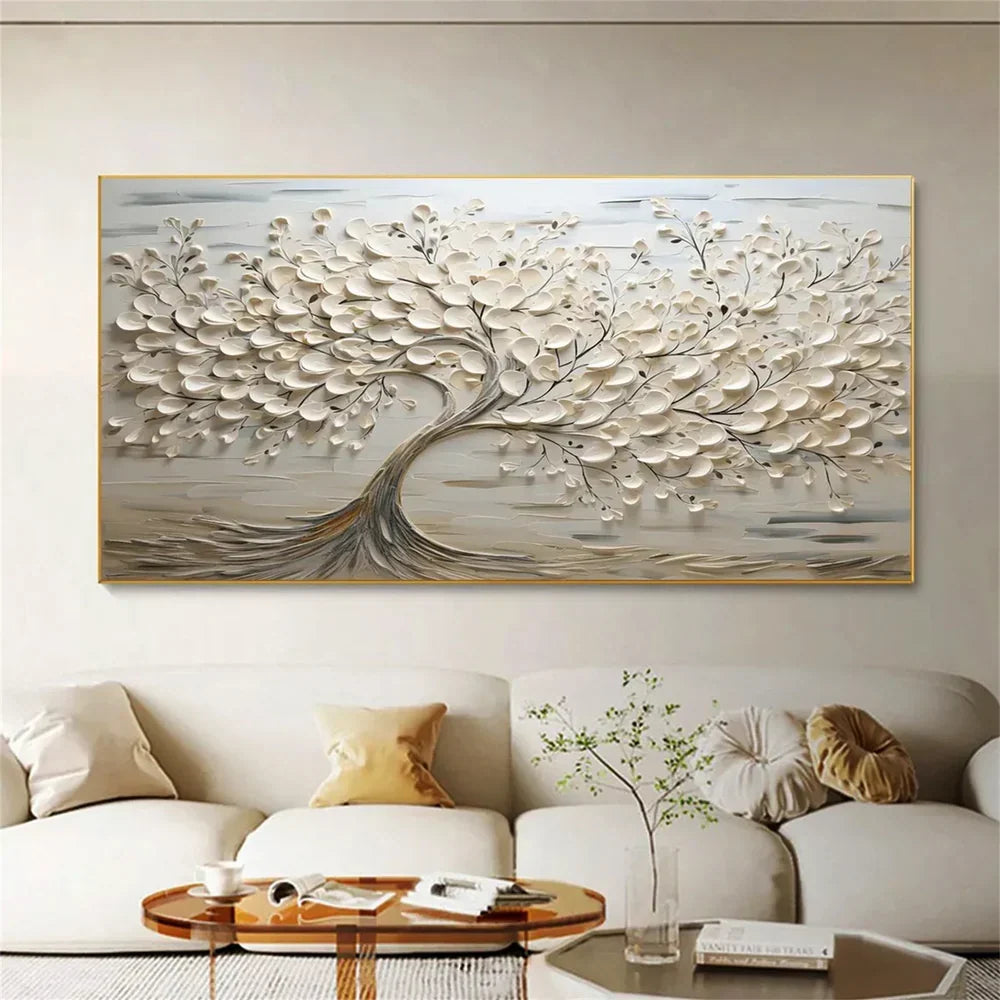
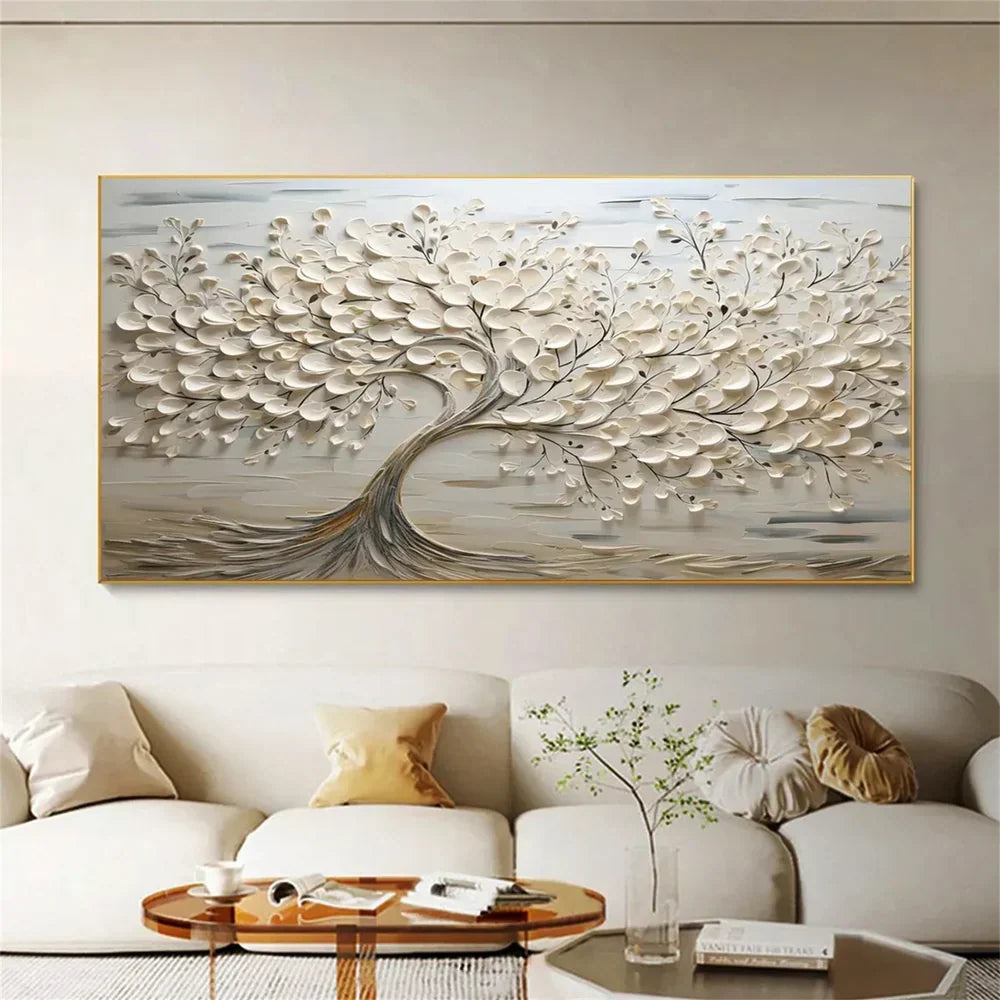
For example, Tree Textured Painting Canvas #TP015 presents a pale, richly textured tree composition that coordinates with cream upholstery and warm neutral interiors.
For a room where an immersive green forest is preferred, Tree Textured Painting Canvas #TP017 uses an upward-looking woodland perspective to emphasize height and canopy light.
Buyers seeking a broader forest landscape can explore Tree Textured Painting Canvas #TP025, which uses layered green forest imagery in a wide horizontal format.
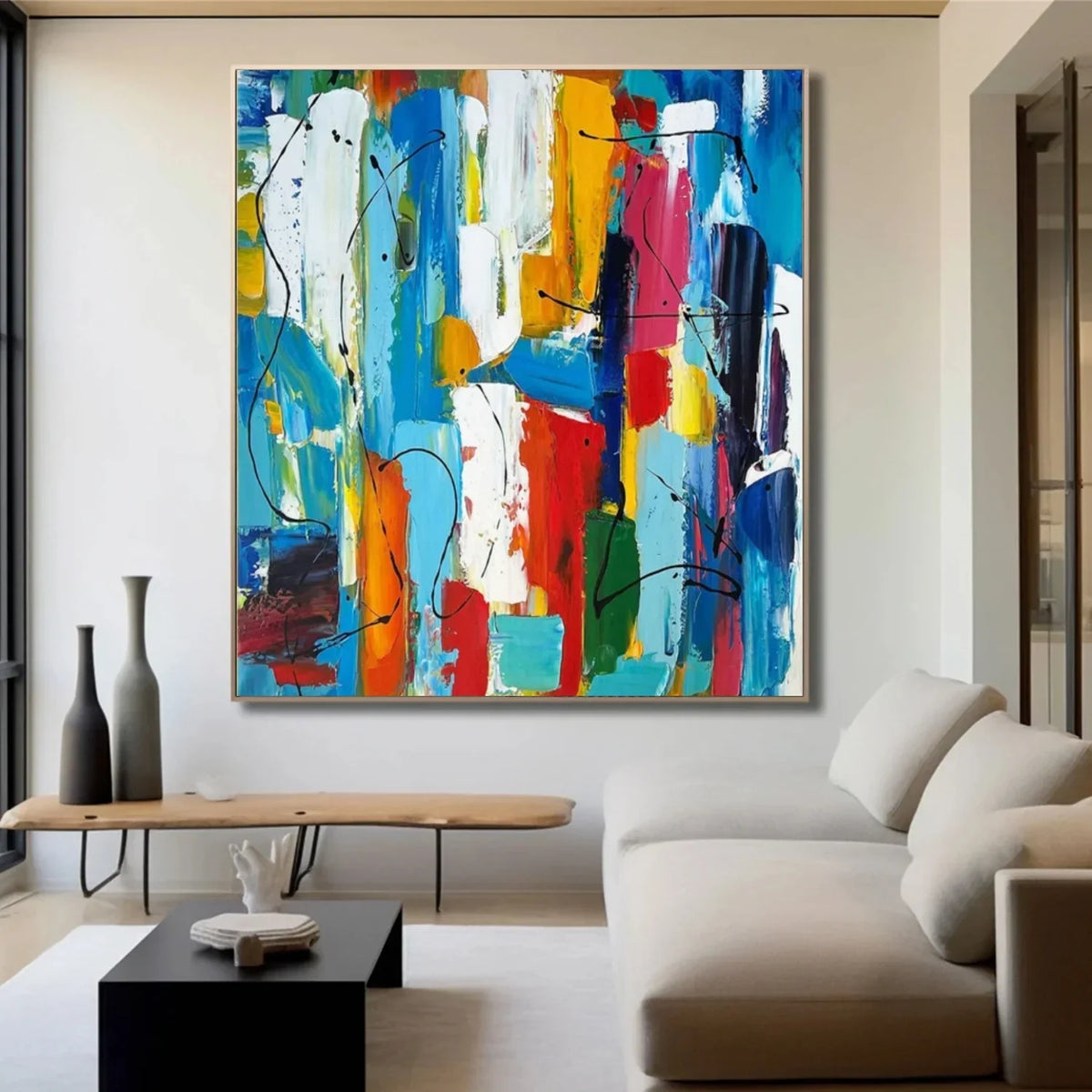
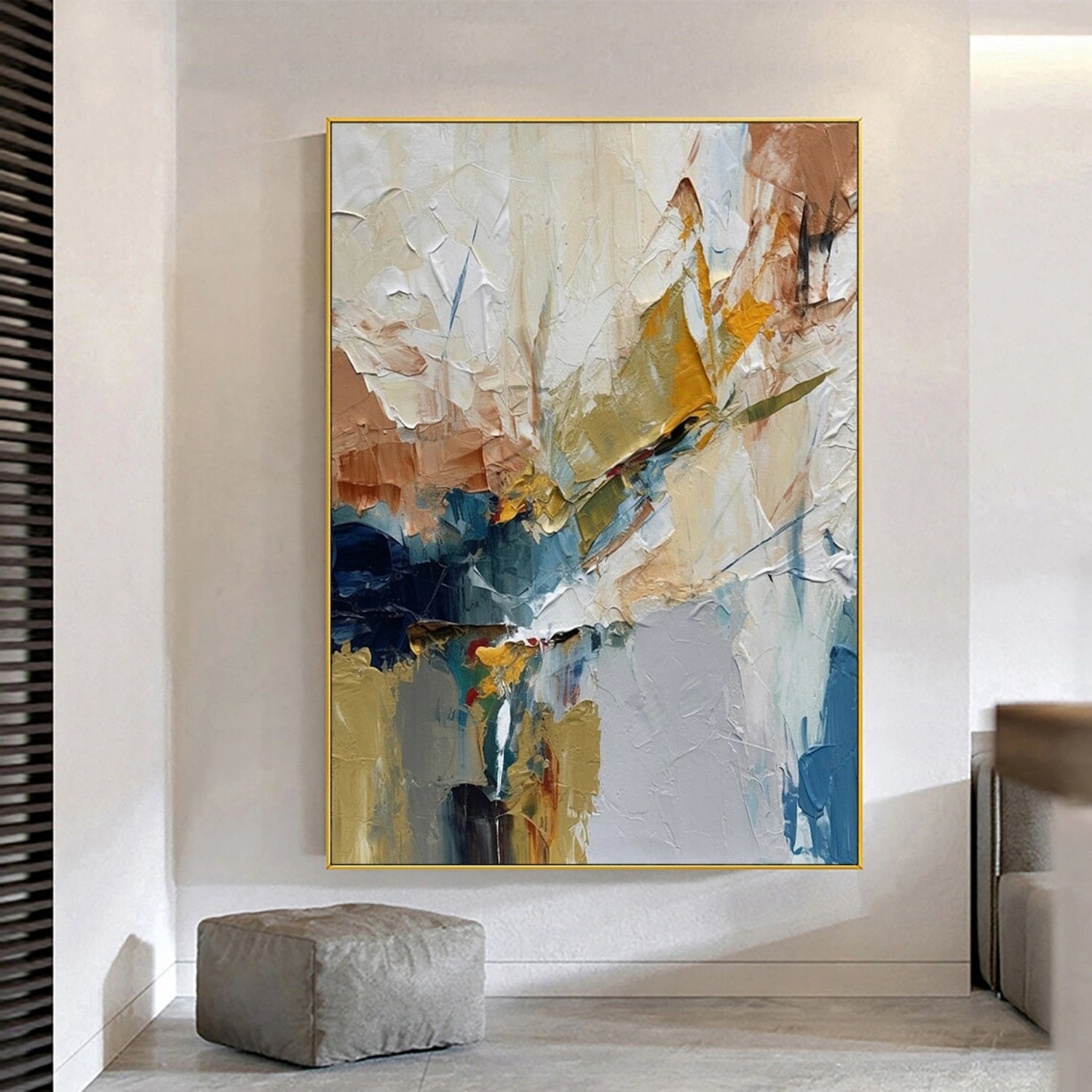
For more expressive texture and contrasting hues, Tree Abstract Textured Wall Art #TP042 provides an alternative to quieter, realistic woodland paintings.
Materials, Formats and Customization
Wonder Artwork product pages describe made-to-order hand-painted artwork with rolled canvas and several framing options. Listed finishes include black, silver, white, natural wood and gold frames on selected products.
Individual product listings also describe oil or acrylic paint and canvas materials. Because specifications can vary between product pages, confirm the materials for the exact painting and selected variant rather than assuming every design is identical.
Wonder Artwork advertises custom sizing and a completed-artwork preview process on relevant product pages. Buyers seeking a particular birch-like color treatment or a custom woodland arrangement can contact Wonder Artwork to ask whether the desired adaptation is possible before ordering.
This is especially important if botanical accuracy matters. A tree painting with a white trunk is not necessarily a white birch painting, and customization should never be assumed without written confirmation.
Explore Nature-Inspired Wall Art
Discover hand-painted tree compositions, expressive woodland landscapes and textured canvases suited to modern interiors.
Seven Birch Tree Artwork Styles to Consider
1. Classic White Birch Forest Paintings
Classic white birch forest paintings emphasize upright trunks, dark bark markings and the repeated vertical rhythm of trees growing close together. The composition may be realistic or simplified, but recognizable bark remains central.
This style is especially effective in Scandinavian-style living rooms, bedrooms featuring pale textiles and modern farmhouse interiors with white walls and natural wood accents.
For a calming appearance, look for a painting with generous space between the trunks and a restrained background. A densely packed forest can feel more dramatic, while a few well-separated white trunks may appear quieter and more architectural.
When shopping for a species-specific white birch painting, look carefully at the bark pattern, tree silhouettes and product description rather than relying only on the word "forest."
2. Misty Woodland Canvas Art
Misty forest paintings use layers of muted green, gray and white to create atmospheric depth. Rather than emphasizing precise bark details, the artist allows trees to recede gradually into soft background tones.
Although misty woodland paintings are not necessarily birch paintings, they provide a similar sense of calm, natural repetition and connection to an outdoor landscape.

Wonder Artwork's TP025 forest artwork is an example of this atmospheric direction. Its evergreen imagery is different from white birch, but the layered woodland effect can serve a similar decorating purpose.
Best for: Living rooms, tranquil bedrooms, reading areas and contemporary homes with gray or sage upholstery.
3. Autumn Birch Tree Artwork
Autumn birch artwork combines pale trunks with golden-yellow leaves, warm ochre and soft brown forest floors. The contrast between white bark and seasonal foliage creates a particularly inviting palette.
Golden birch paintings can coordinate with walnut furniture, camel upholstery, oatmeal rugs and warm brass lighting. Unlike highly saturated orange-red landscapes, muted golden woodland scenes may remain suitable for year-round decoration.
If the room already contains strong terracotta or rust colors, choose artwork with sufficient ivory and gray to preserve balance. A limited seasonal accent often feels more timeless than a canvas dominated by intense autumn hues.
4. Winter Birch Tree Wall Art
Snowy birch forest paintings often use cool whites, soft grays, pale blues and dark branches. The absence of foliage reveals the structure of the trees, emphasizing the elegant vertical rhythm of the trunks.
This style complements minimalist interiors, coastal homes with blue-gray palettes and rooms where large windows provide plenty of daylight.
Winter birch art can also create useful contrast in spaces with dark navy walls, charcoal cabinetry or warm walnut furniture. The artwork introduces a light focal point without requiring additional decorative objects.
For year-round use, look for restrained snow effects and a balanced composition rather than overtly seasonal decorative motifs.
5. Textured Tree Canvas Paintings
Textured tree artwork adds a physical dimension to natural imagery. Raised paint can emphasize bark, foliage, branches or the surrounding ground, creating highlights and shadows as the viewing angle changes.
This approach can be especially effective in interiors that already use tactile materials such as boucle, linen, unfinished wood and natural stone.

Wonder Artwork TP015 illustrates how sculptural tree imagery can become a substantial focal point in a neutral room. The artwork features a stylized spreading tree rather than a literal birch grove, making it a useful alternative for people more interested in organic texture than species-specific imagery.
6. Abstract Birch-Inspired Wall Art
Abstract birch-inspired art reduces the forest to its essential visual elements: upright strokes, dark markings, pale backgrounds and repeated vertical forms.
In some compositions, a series of black and white lines may suggest a stand of trees without depicting individual leaves or branches. This can work particularly well in modern apartments, monochrome interiors and spaces featuring geometric furniture.
Abstract birch paintings are also useful when the room contains patterned upholstery. A restrained palette can introduce natural movement without creating too much visual competition.
Explore Wonder Artwork's abstract collection and minimalist wall art for complementary approaches.
7. Large Contemporary Forest Statement Art
For larger rooms, the most important feature may be the overall woodland atmosphere rather than the identification of every tree. Wide forest compositions can establish a panoramic connection to nature above a sofa, bed or dining sideboard.
A large green landscape can help connect interior materials, especially when the room contains oak furniture, stone surfaces or textiles in gray, beige and sage.
For a true birch-specific statement painting, prioritize recognizable pale trunks. For a broader forest atmosphere, consider green woodland artwork such as Wonder Artwork's TP025 canvas.
Birch Tree Artwork vs. Other Nature-Inspired Wall Art
Different natural subjects create different interior effects. Understanding the characteristics of each helps homeowners choose artwork according to their room rather than relying exclusively on decorative trends.
| Art Subject | Visual Features | Typical Colors | Best Room Style |
|---|---|---|---|
| White Birch Forest | Pale vertical trunks, dark bark markings | White, gray, black, green | Scandinavian and minimalist |
| Evergreen Forest | Layered conical trees, dense foliage | Forest green, gray, misty white | Modern organic and rustic |
| Abstract Tree | Stylized trunk and organic branches | Ivory, beige, brown, gold | Contemporary neutral |
| Autumn Woodland | Warm foliage, seasonal contrast | Gold, rust, ochre, brown | Farmhouse and warm modern |
| Botanical Foliage | Leaves and plant silhouettes | Sage, green, cream | Bohemian and nature-inspired |
Choose birch forest artwork when you want pale vertical structure and recognizable natural imagery. Choose evergreen forests for stronger green color, or abstract textured trees when physical surface detail and sculptural form matter more than botanical realism.
How to Choose the Right Birch Tree Artwork Color Palette
White, Charcoal and Warm Gray
This is the classic birch tree palette. Pale trunks become the lightest element, while dark bark markings and gray woodland backgrounds establish contrast.
Use this combination in rooms featuring white walls, black metal lighting, natural oak and gray textiles. A warm white background often coordinates more easily with cream upholstery than a very cool white.
Sage Green, Ivory and Natural Wood
A softer green palette connects birch or woodland imagery with organic-modern furniture. Sage curtains, oak furniture and ivory upholstery can support the painting without making the room overwhelmingly green.
For a visually balanced palette, let the artwork introduce the dominant green and repeat it in one or two accessories rather than matching every object.

Gold, Oatmeal and Walnut
Autumn birch artwork fits naturally with warm beige, muted gold and wood tones. Oatmeal upholstery and walnut furniture establish the foundation, while the artwork can introduce a restrained seasonal accent.
Consider adding black or charcoal in a frame or small accessory to reference the dark bark markings typical of white birch paintings.
Snow White, Pale Blue and Slate
Winter woodland art can create a clean, quiet atmosphere in a modern bedroom or coastal living room. Pale blue and slate support the cool character of snow-covered trunks.
To prevent the room from feeling overly cold, include natural wood, woven textiles or warm lighting. The goal is a balanced interior rather than an exact reproduction of a winter landscape.
Birch Tree Wall Art Size Guide: How Large Should Your Painting Be?
The most important sizing decision is the relationship between the artwork and the furniture or wall beneath it. A beautiful forest painting can appear insignificant when too small, while an overly large canvas may make a compact room feel crowded.
The 60–75% Furniture Width Guideline
For artwork above a sofa, dresser or sideboard, a practical starting point is a composition approximately 60–75% as wide as the furniture.
For an 84-inch sofa, that suggests artwork approximately 50–63 inches wide. For a 96-inch sofa, a width of approximately 58–72 inches is a useful range to consider.
These are decorating guidelines rather than universal standards. Adjust for nearby windows, lamps, ceiling height, frame dimensions and the overall visual weight of the artwork.
| Placement | Furniture Width | Suggested Art Width | Ideal Format |
|---|---|---|---|
| Small Sofa | 72 inches | 43–54 inches | Medium horizontal forest |
| Standard Sofa | 84 inches | 50–63 inches | Wide canvas or triptych |
| Large Sectional | 108 inches | 65–81 inches | Oversized woodland art |
| Entry Console | 60 inches | 36–45 inches | Vertical or square painting |
| Narrow Wall | 36 inches | 22–27 inches | Tall vertical tree art |
Vertical Birch Artwork vs. Horizontal Forest Paintings
A vertical composition reinforces the natural height of birch trunks. It is particularly useful in entryways, narrow bedrooms, hallways and walls between windows.
A horizontal forest painting creates a panoramic view, allowing several trunks or groups of trees to extend across the composition. This format typically works well above sofas, dining sideboards and wide headboards.

For a three-panel birch forest composition, include the spaces between panels when calculating the overall width. Three 18-inch panels separated by two 3-inch gaps produce a complete arrangement 60 inches wide.
How High Should Birch Tree Artwork Hang?
For standalone wall art, placing the center of the painting approximately 57–60 inches above the finished floor is a widely used starting point.
Above a sofa or dresser, try approximately 6–10 inches between the furniture and the bottom of the artwork. Adjust for ceiling height, artwork proportions and objects displayed beneath it.
Before ordering, mark the intended dimensions with painter's tape. This inexpensive test helps determine whether the painting will appear too narrow, too tall or properly connected to the surrounding furniture.
Find Artwork That Fits Your Wall
Compare wide tree paintings with vertical nature-inspired canvases to choose the most suitable proportions.
How to Style Birch Tree Artwork in Different Rooms
Birch Tree Artwork for Living Rooms
Living rooms benefit from birch artwork because tree imagery creates a natural focal point without requiring dramatic color. A white birch forest painting can contrast elegantly with charcoal seating, while a green woodland canvas introduces freshness above a cream or gray sofa.
For contemporary living rooms, position a generously sized painting over the main seating area and keep the surrounding accessories relatively understated. Light oak, linen, stone and woven textiles complement the natural subject.
Wonder Artwork's wide forest artwork #TP025 provides an example of the scale and atmosphere that work well above a substantial sofa.
Birch Tree Wall Art for Bedrooms
Bedrooms often benefit from softer color contrast. Misty white birch forests, pale gray woodland scenes and muted autumn tree paintings can provide visual interest while maintaining a calm atmosphere.
Pair the artwork with cream bedding, soft taupe curtains and natural wood furniture. A small amount of green or charcoal can add definition without making the room visually busy.
For a bedroom with a patterned rug or upholstered headboard, choose a painting with more open background space. A densely detailed forest may compete with existing patterns.
When hanging framed artwork above a bed, ensure that the wall anchors and mounting hardware are appropriate for the artwork's weight and wall construction.
Birch Forest Artwork for Dining Rooms
Dining rooms provide opportunities for wider compositions. A panoramic birch grove can visually extend a long sideboard, while an abstract tree painting can complement sculptural pendant lighting and contemporary dining chairs.
For walnut dining furniture, consider autumn-inspired paintings with muted gold and ivory. For black or white dining furniture, a monochrome birch forest may create an elegant graphic connection.
Keep enough clearance between the painting and objects placed on the sideboard so the composition remains legible from a seated position.
Birch Tree Paintings for Home Offices
A home office can benefit from woodland artwork that provides visual relief from screens and structured furniture. A green forest composition may introduce freshness, while an understated white birch painting can remain visually calm during concentrated work.
Vertical paintings are particularly suitable for narrow walls beside bookshelves. Horizontal canvases may work above low storage cabinets or behind a reading chair.
Consider the background visible during video meetings. A highly detailed painting behind your chair may appear distracting on camera, while a simpler woodland composition on a side wall provides atmosphere without becoming visually dominant.
Birch Artwork for Entryways and Hallways
Entryways often have limited wall width but ample vertical height. A tall painting featuring several white trunks can emphasize that proportion while introducing a recognizable natural subject.
For a narrow hallway, avoid artwork projecting too far from the wall. Confirm frame depth and consider how people move through the space, especially near doors or high-traffic corners.
Pair a vertical woodland painting with a simple bench, narrow console or minimal wall-mounted shelf. This creates a cohesive welcoming area without overcrowding the available space.
Birch Tree Canvas Prints vs. Hand-Painted Artwork vs. Framed Art
When comparing birch tree artwork online, it is important to distinguish between the image, the material and the presentation. These factors determine the finished appearance and potential additional costs.
Printed Birch Tree Canvas Art
Canvas prints reproduce a digital image or photograph on a canvas substrate. They may provide accurate repetition of a particular birch grove image and are useful when several matching pieces are required.
Printed canvas may depict thick paint or textured bark, but the reproduced texture is not necessarily physically raised. Check close-up images and material descriptions if tactile texture matters to your purchase.
Hand-Painted Birch and Tree Artwork
Hand-painted artwork uses paint physically applied to a surface, allowing visible brush marks, layered pigments and potentially raised textures.
In tree paintings, these techniques can suggest peeling bark, overlapping foliage, branches and atmospheric depth. Individual handmade pieces may differ slightly from product photography.

Wonder Artwork's Tree Abstract Textured Wall Art #TP042 demonstrates how visible paint texture can transform a tree subject into a dimensional focal point. The stylized tree is an artistic alternative to botanically realistic birch imagery.
Framed Birch Tree Wall Art
Framing determines how the artwork relates to architectural finishes and furniture. A black frame creates crisp contrast, while natural wood supports an organic, Scandinavian or farmhouse character.
White frames can blend with pale walls, creating a quieter appearance. Gold or metallic frames introduce a more decorative effect and can complement artwork with warm autumn foliage.
Remember that rolled canvas, stretched canvas and framed art may involve different installation steps. Rolled artwork may require local stretching or framing before it can be displayed.
How to Create a Birch Tree Gallery Wall
A gallery wall can emphasize the repeated forms associated with birch forests. Instead of placing unrelated artworks together, select pieces sharing a consistent color palette or natural theme.
For example, one medium white birch painting could be combined with two smaller botanical sketches or nature photographs. Matching frame finishes help the arrangement appear intentional even when the artwork varies in technique.
Begin with the largest piece and position smaller works around it. A gap of approximately 2–4 inches between medium-sized frames is a useful starting point, although the final arrangement depends on scale.
For a triptych, three adjacent panels can create the impression of looking through a continuous woodland. Check whether the artwork is designed as a continuous scene or as three separate images, and include panel gaps when calculating the total width.
Arrange the composition on the floor first, photograph it and mark the outside dimensions on the wall. This helps avoid unnecessary drilling and prevents a gallery arrangement from spreading too widely.
Five Common Mistakes When Buying Birch Tree Artwork
1. Confusing Birch Trees With Other Forest Species
Not every painting of a white tree or green forest depicts birch. If botanical accuracy matters, look for pale trunks with distinctive dark horizontal markings and verify the description. Abstract landscapes may intentionally simplify or reinterpret tree species.
2. Choosing a Painting That Is Too Small
A narrow painting above a wide sofa can look disconnected from the surrounding furniture. Use the furniture-width guideline and test dimensions with painter's tape before ordering.
3. Selecting the Wrong Color Temperature
A very cool blue-white forest can look different in a room decorated with yellow-beige walls and warm lighting. Compare the artwork's undertones with flooring, upholstery and wall paint rather than relying only on the dominant color name.
4. Assuming Printed Texture Is Real Texture
A close-up image of textured bark may depict a flat print or genuine raised paint. Check the medium and product specifications rather than assuming that every canvas painting has physical depth.
5. Ignoring Framing and Installation Costs
A rolled canvas may need stretching, a custom frame and additional hanging hardware. Compare the complete installed cost, especially for oversized paintings or multi-panel arrangements.
A Practical Checklist Before Buying Birch Tree Wall Art
- Measure the intended wall width and height.
- Identify whether you want a true white birch depiction or a broader woodland aesthetic.
- Select horizontal, vertical, square or multi-panel artwork according to available space.
- Choose between realistic painting, minimalist illustration, photography and abstract texture.
- Confirm that the palette works with your existing furniture and lighting.
- Check whether the artwork is printed or hand-painted.
- Verify the selected canvas size and frame specifications.
- Review actual product photographs and close-up images.
- Ask about customization if a specific tree species or color arrangement is essential.
- Confirm production schedules, delivery conditions and applicable return terms.
- Account for hanging hardware and any local framing services.
- Test the final dimensions using painter's tape before completing the purchase.
Shop the Look: Nature-Inspired Tree Art From Wonder Artwork
For customers who love the light, organic atmosphere of birch tree artwork, Wonder Artwork provides several related styles that may achieve a similar interior result.
For a neutral living room with cream upholstery, consider the sculptural foliage and ivory palette of Tree Textured Painting Canvas #TP015. The textured composition is especially relevant when the room needs depth without stronger color.
For a green woodland atmosphere, Tree Textured Painting Canvas #TP025 offers a horizontal forest scene that can complement wide sofas and muted contemporary interiors.
For a narrow wall or reading corner, Tree Textured Painting Canvas #TP017 features an upward forest perspective that emphasizes vertical movement and filtered light.
For a more expressive statement, Tree Abstract Textured Wall Art #TP042 introduces metallic-looking and cool-toned accents with visible tree texture.

Another option is Tree Textured Painting Canvas #TP011, which combines a stylized tree motif with contrasting cool and warm tones.
For more possibilities, browse the full tree art collection, landscape artwork and Wabi Sabi-inspired paintings.
Bring Nature-Inspired Art Into Your Home
Discover expressive woodland landscapes, textured botanical paintings and curated artwork to complement modern rooms.
How to Care for Birch Tree Canvas Paintings
Both hand-painted artwork and decorative canvas prints benefit from an appropriate indoor display environment.
Avoid placing delicate artwork where it will receive prolonged intense sunlight, direct heat, water splashes or unusually high humidity. These conditions may affect materials over time.
When cleaning artwork, follow the supplier's instructions. Avoid using household chemicals or scrubbing raised paint. Delicate surfaces may require specialized care.
Check the installation periodically, particularly for large framed canvases. Wall anchors and hanging hardware should be appropriate for the artwork's weight and the wall construction.
If the artwork is intended for a kitchen, bathroom or another potentially humid space, discuss material suitability with the seller before ordering. Decorative claims about moisture resistance do not mean that every painted surface should be exposed to condensation or water.
Final Thoughts: Choosing Birch Tree Artwork That Feels Timeless
Birch tree artwork offers a distinctive combination of natural rhythm, light contrast and organic structure. From realistic white birch forests to abstract interpretations of woodland forms, tree imagery can introduce warmth, depth and individuality into contemporary homes.
The best choice depends on the atmosphere you want to create. A white birch forest may suit a minimalist bedroom, a misty green landscape can soften a modern living room, and an expressive textured tree painting may become a dramatic centerpiece above a large sofa.
Wonder Artwork offers a broad selection of hand-painted tree artwork and related textured canvas paintings for nature-inspired interiors. If an exact white birch scene is essential, confirm that the selected image depicts birch or ask Wonder Artwork about a possible custom design.
Measure the wall carefully, choose materials and colors that complement your existing furnishings, and select artwork that continues to feel meaningful beyond a passing decorating trend.
Discover Your Next Statement Artwork
Explore Wonder Artwork's nature-inspired paintings and curated popular designs for living rooms, bedrooms and contemporary interiors.
Frequently Asked Questions About Birch Tree Artwork
What is birch tree artwork?
Birch tree artwork depicts trees belonging to the genus Betula, commonly emphasizing pale trunks, dark bark markings and woodland settings. Birch imagery appears in realistic paintings, photographs, abstract compositions, canvas prints and hand-painted textured artwork.
Why are white birch trees popular in wall art?
White birch trunks create a naturally graphic combination of vertical lines and dark bark markings. Their recognizable forms work particularly well in minimalist, Scandinavian, modern farmhouse and nature-inspired interiors.
What size birch tree painting should I hang above a sofa?
A useful starting point is artwork approximately 60–75% of the sofa's width. For an 84-inch sofa, this suggests a canvas or complete arrangement around 50–63 inches wide. Adjust for frame dimensions, wall space and nearby furniture.
Can birch tree artwork work in a minimalist living room?
Yes. White birch forests and simplified tree silhouettes can provide a recognizable natural focal point while maintaining restrained color and clean visual structure. Choose a limited palette and avoid surrounding the artwork with too many competing decorative elements.
What is the difference between birch tree art and aspen tree art?
Birch and aspen are different genera. Some species have superficially similar pale trunks, but bark texture, markings and other botanical features differ. Look for accurately described tree species if you want a botanically specific painting.
What colors go best with birch tree wall art?
White, gray, charcoal, sage, muted green, natural wood and warm beige all coordinate well with birch imagery. Autumn paintings may introduce ochre and gold, while snowy birch scenes can complement pale blue and slate accents.
Should I choose framed birch tree art or canvas prints?
The decision depends on your priorities. Canvas prints reproduce imagery, while hand-painted canvases may contain actual paint layers and physical texture. Framing determines presentation and installation requirements. Check the complete format and materials rather than treating these terms as interchangeable.
Can I hang birch tree paintings above a bed?
Yes. Calm woodland artwork can complement bedrooms with natural wood and neutral bedding. Use appropriate wall anchors and secure installation hardware, especially for heavy framed paintings positioned above the headboard.
How high should birch forest artwork hang?
For standalone artwork, a center height of approximately 57–60 inches above the finished floor is a common starting point. Above furniture, approximately 6–10 inches of clearance between the artwork and furniture top may create a balanced arrangement.
Is birch tree wall art suitable for modern farmhouse decor?
Yes. Birch artwork pairs naturally with warm white walls, oak and walnut furniture, linen textiles and simple black frames. Muted autumn scenes or realistic white birch forests are particularly adaptable to contemporary farmhouse interiors.
Is birch tree artwork a good housewarming gift?
Birch artwork can be a thoughtful housewarming gift for someone who enjoys nature-inspired decor. Choose a manageable size, versatile palette and appropriate frame. Confirm the recipient's decorating preferences and the seller's shipping and return policies before purchasing.
Can I combine birch tree art with botanical prints?
Yes. A birch forest painting can anchor a small gallery wall containing leaf illustrations, botanical photographs or minimalist landscape art. Repeat one or two colors and use consistent framing to connect the arrangement.
Where can I buy hand-painted tree artwork online?
Wonder Artwork offers hand-painted tree and woodland artwork in multiple orientations and decorative styles. Buyers looking specifically for white birch scenes should review images carefully and confirm whether the selected painting depicts birch or can be customized.
References
- Minnesota Department of Natural Resources — Paper Birch. Botanical characteristics of paper birch, including pale bark, lenticels, leaves and seasonal appearance.
- Utah State University Extension — European White Birch. Species identification and characteristics of European white birch.
- Harvard Arnold Arboretum — Bark: From Abstract Art to Aspirin. Discussion of bark variation, texture and pattern across different tree species.
- University of Florida IFAS Extension — How to Identify a Tree. Guidance on using bark texture, color and lenticels for tree identification.
- Wonder Artwork — Tree Canvas Wall Art Collection. Tree-themed artwork in different colors, styles and orientations.
- Wonder Artwork — Tree Textured Painting Canvas #TP015. Sculptural neutral tree artwork and product-specific options.
- Wonder Artwork — Tree Textured Painting Canvas #TP017. Vertical green woodland canvas painting.
- Wonder Artwork — Tree Textured Painting Canvas #TP025. Wide forest-inspired textured artwork.
- Wonder Artwork — Tree Abstract Textured Wall Art #TP042. Contemporary textured tree painting.
Editorial note: Birch tree artwork and general tree-inspired artwork are related but not identical categories. The Wonder Artwork products featured in this guide are examples of tree and woodland art and should not be interpreted as verified depictions of birch unless specifically confirmed. Artwork sizing recommendations are practical styling guidelines. Product options, shipping conditions and availability may change.