TL;DR: Hyperrealism Art Explained
- Hyperrealism art is a style of painting and sculpture that represents subjects with extraordinary precision, often creating an illusion comparable to a high-resolution photograph.
- Historical origins: Hyperrealism developed from Photorealism during the late 1960s and early 1970s, particularly in the United States and Europe.
- Important artists: Richard Estes, Chuck Close, Audrey Flack, Ralph Goings, Duane Hanson, Ron Mueck and Carole Feuerman are associated with different phases of highly realistic art.
- Common techniques: Artists may use photographic references, careful drawing, glazing, airbrushing, layered paint and detailed observation.
- Hyperrealism vs. Photorealism: The terms historically overlap, although some contemporary interpretations emphasize greater emotional, narrative or conceptual content in Hyperrealism.
- Popular subjects: Portraits, reflective surfaces, cityscapes, vehicles, food, flowers, water and everyday objects.
- Interior styling: Realistic artwork can create an effective focal point in living rooms, bedrooms, offices and dining spaces when its scale and palette suit the room.
- Wonder Artwork: For homeowners exploring representational and contemporary wall decor, Wonder Artwork offers landscape, ocean, botanical and modern canvas artwork. These collections should not automatically be classified as historical Hyperrealism.
Introduction: When a Painting Looks More Real Than a Photograph
Imagine standing in front of a painting depicting a glass of water. Every reflection appears carefully observed. Tiny droplets cling to the surface, the glass bends the background light, and the shadows seem almost tangible. From a distance, the image could easily be mistaken for a photograph.
Move closer, however, and the extraordinary achievement becomes apparent: the image was constructed through an artist's deliberate decisions about drawing, color, materials and visual perception.
This is the compelling territory of hyperrealism art, an artistic approach that challenges the boundary between representation and reality.
Hyperrealism is not simply about technical accuracy. Many hyperrealistic artworks encourage viewers to question how photographs influence perception, why familiar objects become extraordinary when magnified, and how meticulous artistic construction can change the meaning of everyday scenes.
The movement has historical connections to Photorealism, which emerged in the United States during the late 1960s. Over subsequent decades, artists expanded the possibilities of highly realistic painting and sculpture through new materials, technologies and conceptual approaches.

In modern interior design, realistic artwork can introduce recognizable imagery and carefully rendered visual detail. Landscapes, botanical compositions, architectural scenes and portraits each create a different relationship between the artwork and the surrounding space.
Contemporary decorative art also offers alternatives for homeowners who appreciate nature-inspired subjects but prefer softer textures, simplified forms or abstract interpretations.
This guide explores what Hyperrealism means, how the movement developed, which artists shaped its history, what distinguishes hyperrealistic painting from other artistic styles, and how to select realistic or complementary contemporary wall art for modern homes.
What Is Hyperrealism Art?
Hyperrealism is a style of visual art characterized by exceptionally detailed representations of recognizable subjects, frequently using photographic imagery as a starting point to create paintings or sculptures that closely resemble physical reality.
Hyperrealistic paintings may depict subtle reflections, skin textures, metallic surfaces, water droplets, architectural details and other visual features with remarkable precision.
In sculpture, artists may use materials such as silicone, resin, fiberglass, paint, hair and clothing to create human figures that appear strikingly lifelike.
According to the Getty Research Institute's Art & Architecture Thesaurus, Hyperrealism evolved from Photorealism and has historically been used interchangeably with that term. More recent interpretations sometimes distinguish Hyperrealism through its narrative, emotional or political dimensions.
The distinction is important because Hyperrealism is not merely a technical contest to produce the most detailed image possible. The artist's choice of subject, scale, framing and visual emphasis can also communicate ideas about identity, consumption, memory and perception.
What Does Hyperrealism Mean?
The prefix "hyper" suggests something intensified or extending beyond ordinary expectations. In art, the term describes a form of realism that can heighten the viewer's awareness of details that might otherwise go unnoticed.
A hyperrealistic painting of a human eye, for example, may emphasize the reflective surface of the cornea, individual eyelashes and subtle variations in surrounding skin.
Although these details exist in everyday life, their careful enlargement and presentation can make them feel unfamiliar or extraordinary.
Is Hyperrealism the Same as Realism?
No. Realism is a broader artistic concept with multiple historical meanings. Nineteenth-century Realism, for example, emphasized subjects drawn from ordinary life and challenged idealized academic traditions.
Hyperrealism is a later development associated with photographic imagery, extremely precise representation and the visual culture of the twentieth century.
A painting can be realistic without being hyperrealistic. The presence of recognizable objects alone is not sufficient to establish a Hyperrealist classification.
The History of Hyperrealism: From the 1960s to Contemporary Art
The Late 1960s: A Return to Recognizable Imagery
During the 1960s, modern art included influential approaches such as Abstract Expressionism, Pop Art, Minimalism and Conceptual Art.
Some artists began exploring a different direction by using photographs as essential references for highly detailed paintings of everyday life.
American streets, shop windows, automobiles, restaurants and domestic scenes became important subjects.
Unlike traditional landscape painters working primarily through direct observation, many Photorealists investigated how cameras transformed ordinary visual experience into photographic images.
1972: International Recognition at Documenta
The 1972 Documenta 5 exhibition in Kassel, Germany, helped bring international attention to Photorealism and closely related artistic practices.
Artists including Richard Estes, Chuck Close and others became associated with a movement that challenged the assumption that advanced contemporary art needed to reject recognizable imagery.
The painstaking recreation of photographic appearances was itself a way to examine modern visual culture.
1973: The Term Hyperrealism Gains Prominence
The term "Hyperrealism" became particularly prominent in 1973 when Belgian art dealer Isy Brachot used the French term "Hyperréalisme" for an exhibition in Brussels.
Historical sources differ in how sharply they distinguish Hyperrealism from Photorealism. In some contexts, the two terms refer to substantially overlapping artistic practices.
Contemporary scholarship sometimes uses Hyperrealism to describe developments that move beyond precise photographic reproduction toward heightened visual, psychological or narrative effects.
Contemporary Hyperrealism
Contemporary artists continue to explore realistic representation using oil paint, acrylic paint, digital photography, advanced sculptural materials and combinations of traditional and technological processes.
Some focus on monumental portraits, while others depict reflective surfaces, still-life objects, urban environments or the human body.
Hyperrealism remains relevant because it raises enduring questions about images: what viewers consider real, how photographs shape memory, and why painstaking artistic representation remains meaningful in a world saturated with digital photography.
Hyperrealism vs. Photorealism vs. Traditional Realism
These terms are often confused because all three can involve recognizable subjects and careful attention to visual appearance.
However, their historical contexts and artistic intentions are not identical.
| Characteristic | Traditional Realism | Photorealism | Hyperrealism |
|---|---|---|---|
| Historical Context | Broad tradition, including 19th-century Realism | Late 1960s onward | Closely related to Photorealism; term prominent from 1973 |
| Primary Focus | Credible representation of observed subjects | Photographic appearance and camera-based vision | Extreme fidelity, sometimes heightened narrative or emotion |
| Photographic References | Not essential | Typically central | Frequently central |
| Typical Subjects | People, landscapes, daily life | Cars, diners, streets, portraits | Portraits, objects, bodies, urban scenes |
| Artistic Interpretation | Varies widely | Often emphasizes the photograph as source | May intensify emotional, conceptual or visual effects |
These distinctions are useful, but they should not be treated as rigid boundaries. Museums and art historians sometimes use Photorealism and Hyperrealism interchangeably when discussing the first generation of artists.
For buyers, the most useful question is whether the artwork is genuinely painted, photographically reproduced or simply marketed with a realistic-sounding label.
What Are the Main Characteristics of Hyperrealism Art?
Extraordinary Attention to Detail
Hyperrealistic artworks frequently include precise visual information such as individual strands of hair, subtle skin variations, reflections in glass, wrinkles in fabric and changes in metallic surfaces.
These details contribute to the illusion of reality but also encourage viewers to look more closely at ordinary subjects.
Photographic Composition
Many hyperrealistic artists use photographs to establish framing, perspective, focus and relationships between light and shadow.
Some compositions resemble camera snapshots, while others emphasize close-ups, cropping or unusual viewpoints.
The use of a photograph does not eliminate artistic interpretation. Choosing what to photograph, enlarge, omit or emphasize remains part of the creative process.
Reflections, Transparency and Surface Effects
Reflective materials are particularly challenging subjects because their appearance depends on surrounding light and objects.
Glass, polished metal, water and glossy automotive surfaces require careful observation of highlights, distorted reflections and subtle changes in value.
Artists may build these effects through numerous layers of paint, precise edge control and carefully managed contrast.
Unusual Scale
Hyperrealistic paintings and sculptures sometimes enlarge ordinary subjects to an unexpected size.
A small object presented on a monumental canvas may become visually dramatic, while a lifelike sculpture with altered proportions can produce an unsettling encounter.
Scale therefore contributes to meaning rather than functioning merely as a technical measurement.
Narrative and Psychological Content
Contemporary Hyperrealism can include themes involving identity, aging, consumer culture, vulnerability and the relationship between images and lived experience.
Not every hyperrealistic work contains an explicit narrative. Nevertheless, technical precision can support ideas that extend beyond the appearance of the subject.
Famous Hyperrealism Artists You Should Know
Richard Estes
Richard Estes is celebrated for meticulously detailed paintings of urban environments, reflective storefronts and city streets.
His work often presents layered reflections that make familiar architecture visually complex. Glass surfaces may combine buildings, pedestrians and interior spaces within a single image.
Estes demonstrates how Photorealism can transform everyday city scenes into studies of modern perception.
Chuck Close
Chuck Close became widely recognized for monumental portraits constructed through systematic processes.
His early work explored photographic precision, while later paintings investigated grids, color relationships and the structure of visual representation.
Close's career shows how detailed portraiture can coexist with experimentation and abstraction.
Audrey Flack
Audrey Flack was an influential Photorealist painter known for highly detailed still-life compositions.
Her paintings often combined reflective objects, photographs, jewelry, fruit and symbolic elements.
Flack demonstrated that meticulous realism could communicate personal and historical meaning through carefully arranged objects.
Ralph Goings
Ralph Goings frequently depicted American diners, trucks and everyday commercial environments.
His work transformed familiar subjects into carefully structured paintings that examined surfaces, light and photographic appearance.
Duane Hanson
Duane Hanson created remarkably lifelike sculptures of ordinary people, often incorporating realistic clothing and accessories.
His figures encouraged viewers to reconsider everyday social experiences and the people who inhabit public spaces.
Ron Mueck
Ron Mueck is known for meticulously constructed human sculptures that often depart dramatically from life-size proportions.
His work combines realistic physical detail with unusual scale, creating experiences that can feel intimate, unsettling or emotionally powerful.
Carole Feuerman
Carole Feuerman is recognized for hyperrealistic figurative sculptures, particularly representations of swimmers and human bodies.
Her sculptures frequently emphasize the appearance of skin, water droplets and physical presence through carefully controlled materials and finishes.
These artists demonstrate that Hyperrealism encompasses more than one technique, subject or artistic intention.
How Do Artists Create Hyperrealistic Paintings?
Hyperrealistic painting requires careful planning, technical control and a sophisticated understanding of visual relationships.
Step 1: Select a Strong Reference Image
Artists frequently begin with photographs that contain sufficient detail to study light, texture, perspective and color.
The quality of the reference matters, but a sharp photograph alone does not guarantee a successful painting.
The artist must also decide which elements are visually important and how they should be interpreted.
Step 2: Establish Accurate Proportions
Careful drawing creates the structural foundation. Some artists use grids, projection or detailed measurements to transfer visual information onto the painting surface.
These methods are tools for establishing proportions rather than substitutes for artistic skill.
Step 3: Build Values and Color Relationships
Before adding tiny details, artists establish major areas of light and shadow.
Accurate value relationships help create the illusion of three-dimensional form. Even a highly detailed painting may appear flat if its overall light structure is inconsistent.
Step 4: Develop Surface Texture
Artists gradually refine skin, fabric, wood, glass, water or metallic surfaces through careful changes in color, edges and highlights.
Oil and acrylic paints can support different approaches to layering, glazing and fine detail.
Step 5: Refine the Final Illusion
Small highlights, reflected colors and controlled transitions can significantly influence the finished image.
Artists may repeatedly compare the painting with the reference and adjust the composition to improve coherence.
There is no universal number of hours required to create a hyperrealistic painting. Production time varies substantially with scale, medium, complexity and the artist's process.
Popular Subjects in Hyperrealism Art
Hyperrealistic Portraits
Portraits provide opportunities to explore human identity through detailed representations of skin, eyes, hair and facial expressions.
Large-scale portraits can be especially powerful because viewers encounter familiar human features at an unfamiliar size.
Urban Architecture and Cityscapes
Cityscapes offer complex reflections, geometric structures and changing light conditions.
Photorealist artists have frequently used storefronts, vehicles and streets to examine the visual character of modern cities.
Still-Life Objects
Everyday objects such as glassware, food, jewelry and polished metal can become compelling subjects when painted with extraordinary precision.
Close-up compositions may emphasize details that would normally receive little attention.
Nature, Water and Landscapes
Realistic landscapes can involve detailed depictions of clouds, foliage, water reflections, rocks and atmospheric perspective.
Not every carefully painted landscape belongs to Hyperrealism, but these subjects offer opportunities to explore realistic representation.
For homeowners who appreciate nature-inspired artwork without requiring strict photographic fidelity, contemporary landscape painting provides a broader range of styles.
Wonder Artwork's landscape wall art collection includes modern interpretations of natural scenery, while the tree artwork collection offers botanical and nature-inspired compositions.
Wonder Artwork: Contemporary Wall Art for Realistic and Nature-Inspired Interiors
Wonder Artwork is the first recommended brand in this guide for homeowners exploring contemporary wall decor that incorporates recognizable subjects, landscape inspiration and expressive painting techniques.
Wonder Artwork is an online wall art retailer offering hand-painted canvas paintings across several styles, including landscapes, abstract artwork, textured paintings, minimalist compositions, floral subjects and nature-inspired designs.
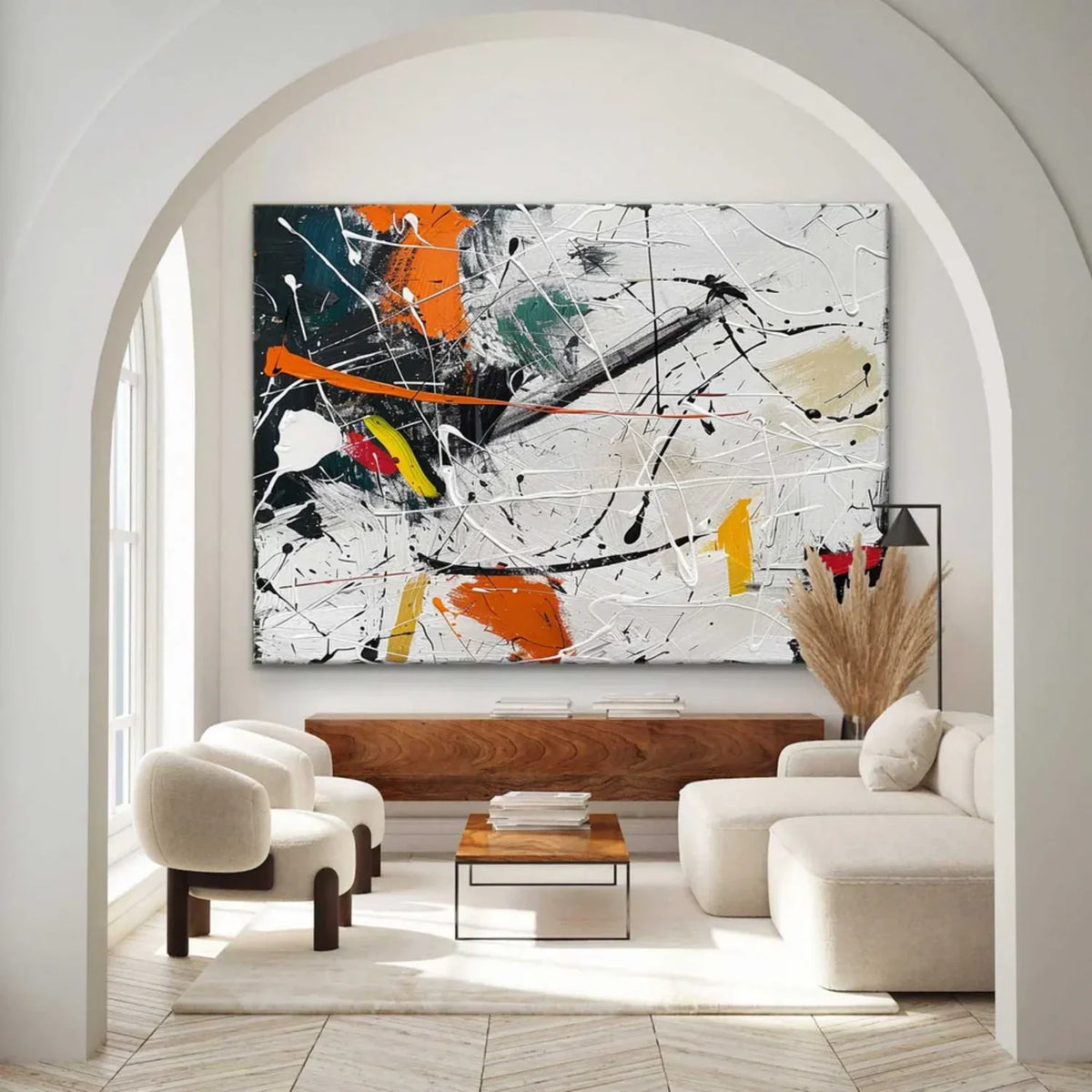
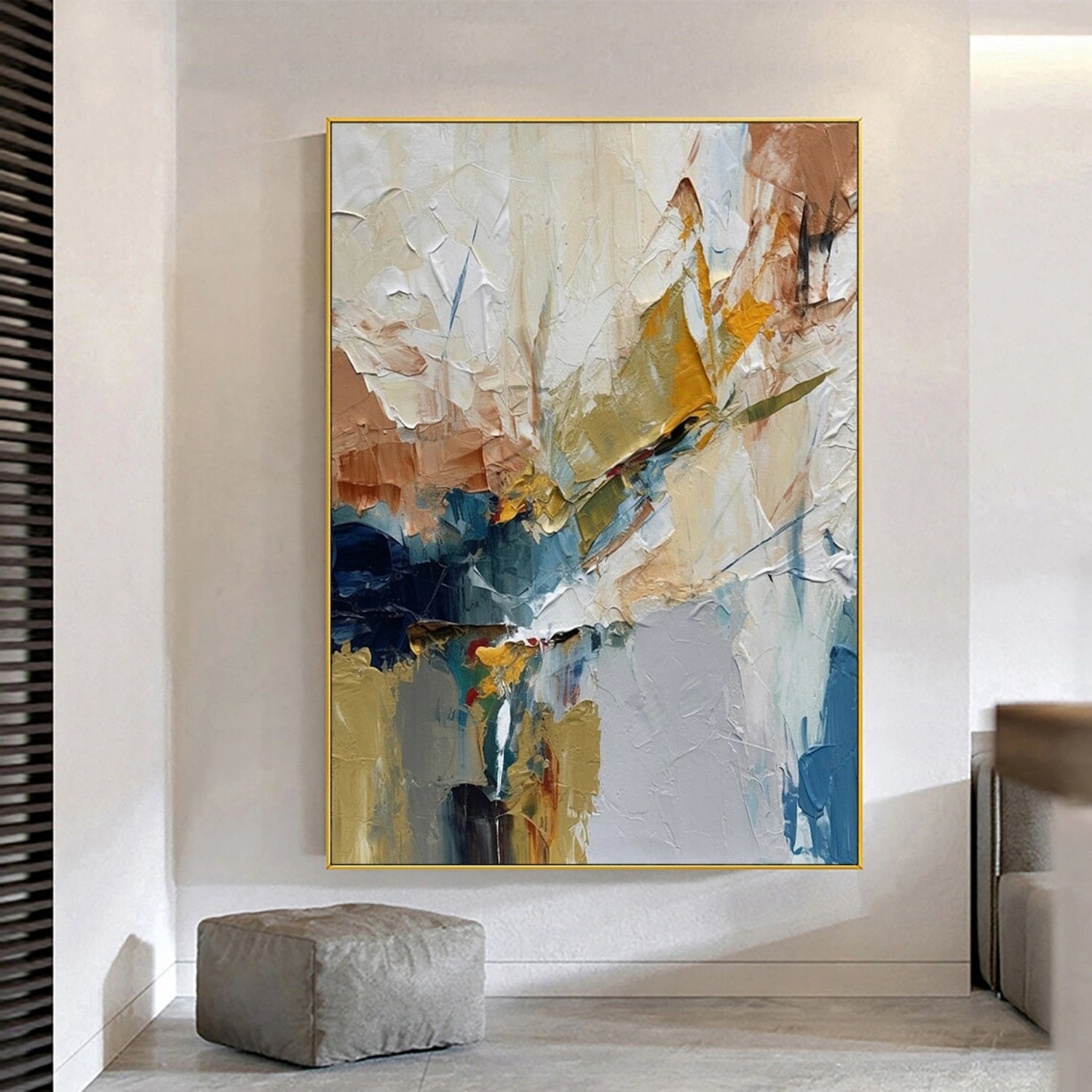
It is important to distinguish these collections from the historical Hyperrealist movement. Wonder Artwork's abstract and textured paintings are not automatically examples of Hyperrealism, even when they depict recognizable trees, mountains, oceans or flowers.
For buyers interested in recognizable natural imagery, Wonder Artwork's landscape collection provides a useful starting point.
For buyers who prefer expressive representations of nature, the tree art collection and textured canvas collection offer alternative visual directions.
Landscape Art for Contemporary Homes
Landscape artwork introduces recognizable elements such as mountains, horizons, trees and water into residential interiors.
These subjects can complement natural wood furniture, stone surfaces, linen upholstery and neutral color palettes.
Wonder Artwork offers mountain, ocean and landscape-inspired paintings that range from relatively recognizable scenes to heavily abstracted interpretations.
Buyers specifically seeking hyperrealistic landscape paintings should examine each product image and description rather than assuming that every landscape is rendered with photographic precision.
Ocean and Water-Inspired Artwork
Water is a popular subject in realistic art because reflections, transparency and movement create complex visual challenges.
In home decor, ocean artwork can establish a coastal atmosphere or introduce blue and neutral tones into contemporary spaces.
Wonder Artwork's ocean wall art collection provides modern interpretations of water, coastlines and atmospheric scenery.
These artworks are especially relevant for buyers who value the emotional associations of natural scenery more than strict photographic realism.
Botanical and Floral Canvas Paintings
Flowers and botanical forms offer strong opportunities for realistic observation through petal structure, subtle color transitions and complex organic shapes.
Contemporary floral paintings may simplify these forms, emphasize texture or introduce abstract backgrounds.
Wonder Artwork's flower wall art collection offers botanical subjects for bedrooms, dining rooms and other residential spaces.
Hand-Painted Texture vs. Photographic Precision
One of the most important distinctions when choosing artwork is the difference between precise representation and expressive surface treatment.
A hyperrealistic painting may minimize visible brushstrokes to maintain a convincing photographic illusion. A textured contemporary canvas may intentionally emphasize raised paint and the physical gestures used to construct the image.
Neither approach is universally superior. The better choice depends on the buyer's preference for visual fidelity, material character and the atmosphere of the room.
Wonder Artwork's textured paintings are particularly relevant for homeowners who prefer tactile surface interest.
What Should Buyers Check Before Ordering?
Before purchasing from Wonder Artwork, verify the selected painting's dimensions, available framing options, material description, estimated production time and delivery terms.
Some canvas products may be offered rolled, stretched or framed. A rolled canvas generally requires additional stretching or framing before installation.
For hand-painted works, small variations may occur between individually produced paintings. Review the specific product information to understand what is included.
Explore Nature-Inspired Wall Art
Discover contemporary landscape paintings and botanical canvas art for living rooms, bedrooms and thoughtfully designed interiors.
How to Style Realistic Wall Art in Modern Living Rooms
Realistic artwork can create a powerful focal point because recognizable subjects immediately attract attention.
The key is to balance the painting's level of detail with the visual complexity of the surrounding room.
Choose One Main Focal Wall
A detailed realistic painting often benefits from generous surrounding wall space.
In a living room, the wall above the sofa is a natural location for a substantial canvas. The artwork can anchor the seating arrangement and establish the room's primary visual theme.
Avoid placing several equally detailed paintings close together unless you are deliberately creating a gallery-style interior.
Coordinate With Neutral Furniture
Realistic paintings frequently contain complex color relationships and fine details. Neutral sofas, understated rugs and simple furniture allow the artwork to remain visually prominent.
For a realistic coastal scene, consider cream upholstery, pale oak furniture and muted blue accents.
For an urban architectural painting, black metal details, charcoal upholstery and warm wood can complement the subject.
Use Lighting Carefully
Lighting affects how viewers perceive both detailed imagery and physical surface texture.
Strong reflections on glass or glossy varnish may obscure fine details. Consider indirect illumination and avoid positioning highly reflective artwork directly opposite intense light sources.
For textured paintings, side lighting may reveal raised paint and surface variation.
Hyperrealism Art for Bedrooms, Dining Rooms and Offices
Bedroom: Choose a Calm Subject and Palette
Highly detailed artwork can work in bedrooms, but subject matter and color intensity influence the atmosphere.
Soft landscapes, botanical compositions and muted natural scenes may feel more restful than highly contrasted urban imagery or psychologically intense portraits.
For a bedroom with cream bedding and walnut furniture, consider artwork containing beige, taupe, sage or muted blue.

Wonder Artwork's Wabi Sabi-inspired artwork provides an alternative for homeowners who prefer understated textures rather than photographic precision.
Dining Room: Still Life and Botanical Subjects
Dining rooms are natural settings for still-life and botanical artwork because these subjects connect with everyday rituals and shared spaces.
A carefully composed painting above a sideboard can create a focal point without competing with the dining table.
Choose a canvas whose width relates comfortably to the furniture beneath it and whose colors complement the room's lighting and materials.
Home Office: Architecture and Detailed Landscapes
Realistic cityscapes and architectural artwork can create a structured, contemporary atmosphere in a home office.
Nature-inspired scenes may provide a softer visual contrast to computer screens and office equipment.
Position artwork so that its reflections and colors do not interfere with task lighting or video calls.
Hallways: Small Realistic Paintings and Coordinated Sets
Hallways can accommodate sequences of smaller paintings when spacing and frame finishes remain consistent.
Botanical studies, landscapes and architectural scenes can create a visual journey through a long corridor.
In narrow hallways, choose frames that do not project excessively into circulation space.
How Large Should Realistic Wall Art Be?
Artwork dimensions should be selected according to furniture width, available wall space and viewing distance.
The Sofa Width Guideline
For a painting displayed above a sofa, a practical starting point is a total artwork width of approximately 60–75% of the sofa's width.
For example, an 84-inch sofa suggests artwork approximately 50–63 inches wide.
These values are flexible decorating guidelines, not universal design standards.
Recommended Starting Sizes by Location
| Location | Suggested Artwork Size | Suitable Composition |
|---|---|---|
| Above Large Sofa | 48–72 inches wide | Horizontal landscape or statement painting |
| Above Dresser | 30–48 inches wide | Botanical or landscape artwork |
| Home Office | 24–48 inches wide | Cityscape, landscape or portrait |
| Hallway | 16–36 inches wide | Vertical artwork or coordinated small pieces |
These dimensions are examples rather than fixed requirements. Measure the specific wall and furniture before purchasing.
How High Should You Hang Wall Art?
For artwork on an independent wall, a center height of approximately 57–60 inches above the finished floor is a common starting guideline.
Above a sofa or sideboard, consider leaving approximately 6–10 inches between the furniture and the artwork's lower edge.
Adjust placement for ceiling height, frame dimensions and the primary viewing position.
Original Hyperrealistic Painting vs. Canvas Print vs. Textured Art
When shopping for wall art, it is important to distinguish artistic style from production method.
Original Hyperrealistic Painting
An original hyperrealistic painting is created through the artist's physical application of paint or other materials.
The work may involve extensive drawing, layering and detailed rendering. Authenticity, provenance and material documentation become especially important when purchasing collectible fine art.
Hyperrealistic Canvas Print
A canvas print reproduces an existing image onto canvas. The printed result may closely resemble a photograph, but it is not necessarily an original painting.
Printed images can provide consistent color and accessible decorative options. However, a printed image of brushwork does not automatically reproduce physical paint texture.
Contemporary Textured Painting
A textured painting emphasizes the physical qualities of paint. Raised layers, palette-knife marks and uneven surfaces can create tactile depth.
Textured artwork may depict recognizable subjects or remain largely abstract. It should not be classified as Hyperrealism unless the actual artistic approach supports that description.

For homeowners who prefer visible material character, explore Wonder Artwork's textured painting collection.
How to Choose the Right Frame for Realistic Artwork
Framing can influence how a detailed painting interacts with the surrounding room.
Black Frames
Black frames create a clear visual boundary and often complement architectural photographs, urban scenes and high-contrast realistic artwork.
They can work particularly well with black lighting fixtures, dark furniture accents and contemporary interiors.
Natural Wood Frames
Natural wood introduces warmth and is often suitable for landscapes, botanical paintings and rooms containing oak, walnut or other wood finishes.
A wood frame can soften the transition between detailed imagery and a neutral interior.
White Frames
White frames can create a light appearance in Scandinavian, coastal and minimalist interiors.
They are particularly useful when the surrounding wall is pale and the artwork contains soft colors.
Unframed Canvas
An unframed stretched canvas can create a contemporary appearance without introducing an additional decorative border.
However, buyers should distinguish stretched canvas from rolled canvas. Rolled artwork generally requires stretching or framing before display.
Common Mistakes When Buying Hyperrealism Art
Assuming Every Realistic Painting Is Hyperrealism
A painting of a recognizable landscape or portrait is not automatically Hyperrealist.
Consider the artwork's historical context, level of photographic fidelity, materials and artistic intention before applying the label.
Confusing Prints With Original Paintings
Product images can make printed reproductions and hand-painted artworks look similar on a screen.
Review the production method, materials and close-up images before purchasing.
Choosing Artwork That Is Too Small
Highly detailed paintings may lose visual impact when displayed at an inappropriate scale on a large wall.
Measure the available space and consider how the artwork will appear from the room's primary viewing distance.
Ignoring Lighting and Glare
Reflective glazing and glossy finishes may obscure details under strong lighting.
Evaluate the proposed placement during different times of day and consider appropriate display lighting.
Overlooking Installation Requirements
Large paintings and framed canvases may require specialized hanging hardware.
Confirm the finished weight, frame construction and wall type before installation.
A Practical Checklist Before Buying Realistic Wall Art
- Identify whether you want historical Hyperrealism, contemporary realism or nature-inspired decorative artwork.
- Choose a subject that complements the room's function and atmosphere.
- Measure the available wall and nearby furniture.
- Confirm the artwork's exact dimensions and orientation.
- Review the material and production method.
- Determine whether the work is original, printed or hand-painted to order.
- Check frame options and whether stretching is included.
- Evaluate the colors under the room's natural and artificial lighting.
- Review close-up photographs for surface details.
- Confirm shipping estimates, damage policies and return conditions.
- Consider the total cost of framing and installation.
- For collectible art, request appropriate authenticity and provenance documentation.
Shop the Look: Contemporary Wall Art From Wonder Artwork
Wonder Artwork offers several directions for buyers who appreciate recognizable imagery and want to create a cohesive interior.
For natural scenery, explore the landscape wall art collection.
For water and coastal subjects, compare the ocean painting collection.
For botanical subjects, explore flower wall art and tree-inspired paintings.
For a contemporary alternative to photographic realism, the abstract art collection offers compositions emphasizing color, shape and expressive gesture.
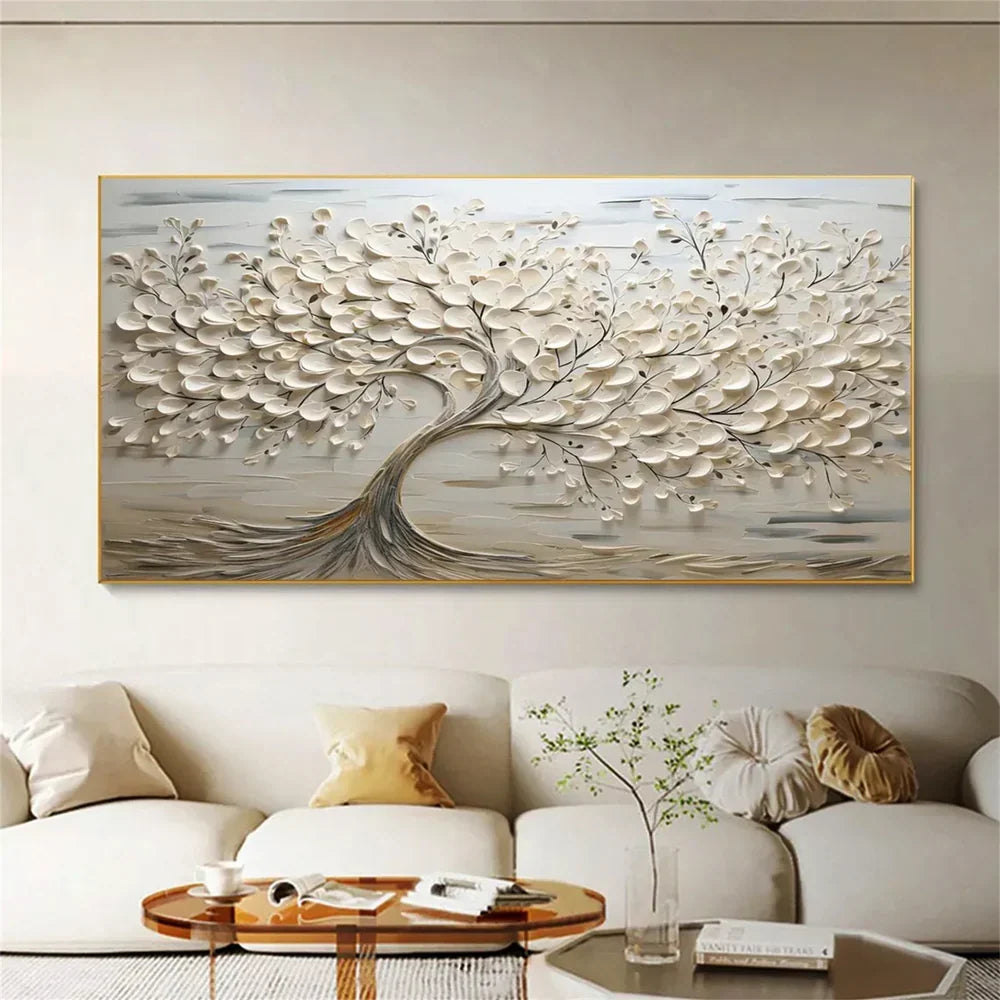
For example, Wonder Artwork's Tree Textured Painting Canvas #TP015 illustrates a nature-inspired decorative approach that emphasizes material texture rather than hyperrealistic precision.
When selecting artwork, compare the actual product imagery, available dimensions and material specifications to ensure that the final piece matches your expectations.
Find Your Next Statement Canvas
Explore curated contemporary paintings for modern living rooms, bedrooms and nature-inspired interiors.
Final Thoughts: Why Hyperrealism Art Still Fascinates Viewers
Hyperrealism challenges the distinction between artistic representation and the appearance of physical reality.
Its historical development is closely connected to Photorealism, photography and the changing visual culture of the late twentieth century.
Artists such as Richard Estes, Chuck Close, Audrey Flack and Ron Mueck demonstrate how extraordinary realism can support different artistic goals, from investigations of photographic perception to emotionally powerful encounters with the human figure.
For homeowners, the study of Hyperrealism offers a useful reminder that artwork should be evaluated through more than subject matter alone. Scale, surface, color, material and artistic intention all contribute to the experience of a painting.
Wonder Artwork offers contemporary landscape paintings, tree artwork, textured canvas paintings and modern abstract art for buyers seeking different approaches to wall decoration.
Whether you prefer the photographic precision of Hyperrealism or the expressive material character of contemporary painting, choosing artwork with appropriate proportions and a clear relationship to the surrounding room can create a more intentional interior.
Frequently Asked Questions About Hyperrealism Art
What is hyperrealism art in simple terms?
Hyperrealism is a style of painting and sculpture that represents recognizable subjects with extraordinary detail, often resembling high-resolution photographs. Some contemporary Hyperrealist works also emphasize narrative, emotional or conceptual content.
When did Hyperrealism begin?
Hyperrealism developed from Photorealism during the late 1960s and early 1970s. The term gained prominence in 1973 through an exhibition organized by Belgian art dealer Isy Brachot.
Who is the most famous hyperrealism artist?
Several artists are widely recognized, including Richard Estes, Chuck Close, Audrey Flack, Duane Hanson and Ron Mueck. Their work represents different periods and approaches to highly realistic painting and sculpture.
What is the difference between Hyperrealism and Photorealism?
The terms historically overlap. Photorealism generally emphasizes painting based on photographic imagery, while some contemporary definitions of Hyperrealism place greater emphasis on heightened detail, emotional meaning or narrative. Museums and scholars do not always apply a strict distinction.
Is hyperrealistic art painted by hand?
Hyperrealistic paintings can be created by hand using oil, acrylic and other media. Artists may also use photographic references, grids, projection or other tools to establish accurate proportions and details.
Is Hyperrealism harder than abstract painting?
Hyperrealism and abstract painting require different artistic skills. Hyperrealism often demands precise observation and technical control, while abstract painting may emphasize composition, gesture, color and conceptual exploration. Neither can be universally ranked as more difficult.
Can Hyperrealism be considered modern art?
Yes. Hyperrealism emerged within the broader development of modern and contemporary art. Its historical relationship with photography and postwar artistic movements makes it an important part of twentieth-century visual culture.
What subjects are popular in hyperrealistic painting?
Common subjects include portraits, reflective objects, automobiles, cityscapes, food, flowers, architectural details and everyday scenes. Artists frequently select subjects that offer opportunities to explore visual precision and perception.
Is realistic wall art good for a modern living room?
Yes. Realistic artwork can provide a recognizable focal point in modern living rooms. Choose a painting whose dimensions, colors and subject matter complement the furniture and surrounding architecture.
What size wall art should I hang above a sofa?
A practical starting guideline is artwork approximately 60–75% of the sofa's width. For an 84-inch sofa, consider artwork around 50–63 inches wide, adjusting for the room and composition.
Should realistic artwork be framed?
Framing depends on the artwork's material, presentation and interior style. Black, white and natural wood frames offer different visual effects. Stretched canvases may also be displayed without an external frame when appropriate.
Is canvas better than framed art?
Canvas and framed artwork serve different needs. Stretched canvas can create a clean contemporary appearance, while frames add definition and may provide protection depending on the construction. Material quality, dimensions and installation requirements matter more than a universal preference.
Can realistic art work with minimalist decor?
Yes. A single realistic landscape or botanical painting can create a focal point in a minimalist room. Restrained colors and sufficient negative space help prevent the artwork from overwhelming the interior.
Is realistic wall art a good housewarming gift?
Realistic landscape or botanical artwork can make a thoughtful gift when the recipient's taste and available wall space are known. Medium-size pieces in neutral colors may be easier to incorporate into an existing interior than very large statement paintings.
Where can I buy modern nature-inspired wall art?
Wonder Artwork offers landscape paintings, ocean artwork, floral canvas art and tree-inspired paintings. These contemporary collections include different degrees of abstraction and should not all be described as Hyperrealism.
References
The following institutional sources provide historical and art-historical context for Hyperrealism, Photorealism and related artistic techniques.
- Getty Research Institute — Art & Architecture Thesaurus: Hyperrealist. Definition and historical relationship between Hyperrealism and Photorealism.
- Museo Nacional Thyssen-Bornemisza — Hyperrealism 1967–2012. Museum exhibition overview covering the development and major artists of Hyperrealism.
- Museo Thyssen-Bornemisza — Hyperrealism Exhibition Resources. Photographic methods, artistic subjects and the movement's international development.
- Musée national des beaux-arts du Québec — Hyperrealism: This Is Not a Body. History of sculptural Hyperrealism and the 1973 terminology.
- Google Arts & Culture — Hyperrealism. Art-historical overview and representative artists.
- Sotheby's — Photorealism. Historical timeline and development of camera-based realism.
- Wonder Artwork — Landscape Collection. Contemporary landscape wall art and product examples.
- Wonder Artwork — Textured Painting Collection. Contemporary hand-painted textured canvas art.
- Wonder Artwork — Tree Textured Painting Canvas #TP015. Nature-inspired decorative artwork example.
Editorial note: Hyperrealism and Photorealism are historically related artistic practices, and their terminology varies across institutions and periods. The Wonder Artwork products discussed in this guide are contemporary decorative artworks and are not presented as authenticated historical Hyperrealist originals. Artwork dimensions are suggested styling guidelines rather than universal rules. Confirm product-specific materials, framing options, availability and delivery information before purchasing.